πŸ”„ChangeHub ✦ phyrenix.com
✦ CHANGE HUB

Change answers that make habits stick.

Smoking, vaping, alcohol, sugar, screens, procrastination and the habits you want to build. Type your question, get a straight, kind answer in seconds β€” no judgement, ever. The full personal report costs less than a cup of coffee: $2.95.

18 toolsFree instant local answers β‰ˆ one coffee ($2.95) for the full reportEducational Β· Non-judgemental

Willpower Science: Why Design Beats Grit Every Time

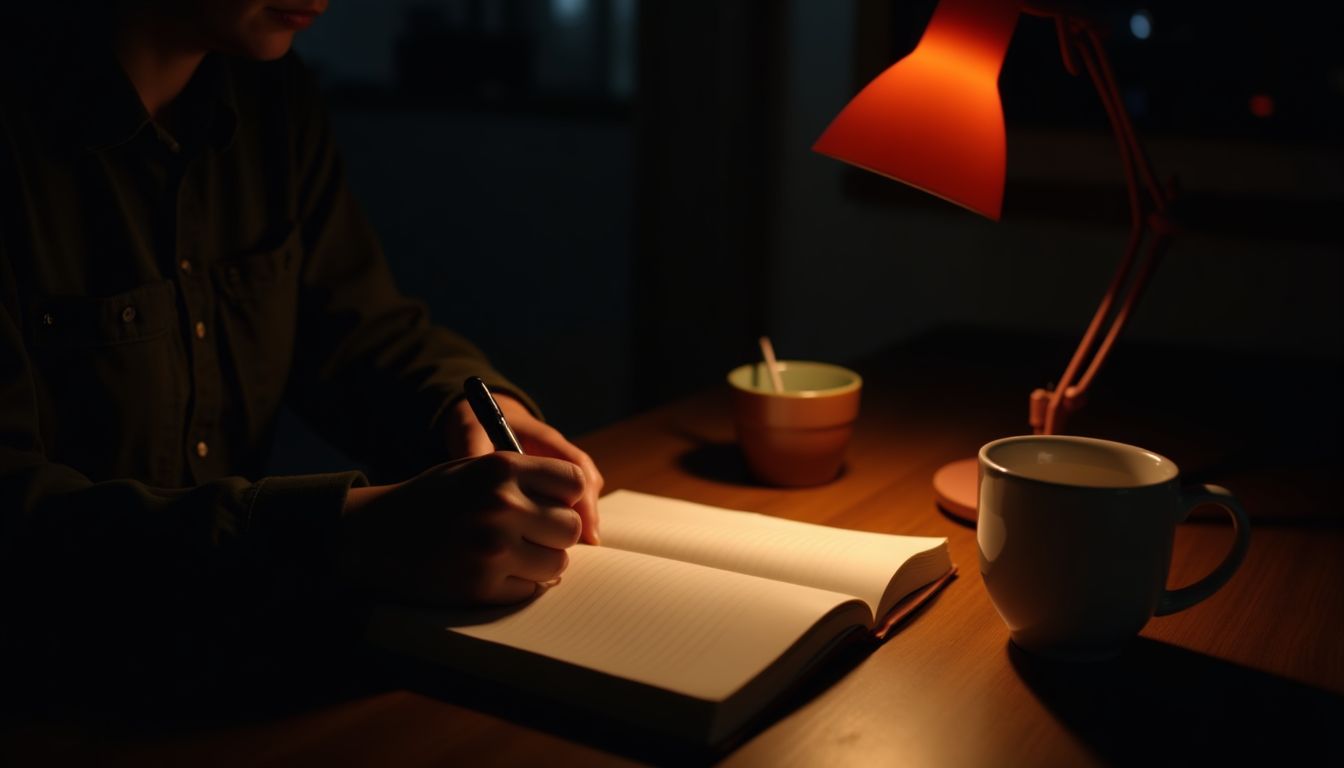
Open notebook and pen on a dark desk lit by a single warm ember lamp β€” focus and motivation

The most reliable finding in self-control research is that people with high self-control do not resist temptation better β€” they encounter less of it. They design environments where the tempting choice is not the default, precommit to rules made in calm moments, and convert behaviour into habit so willpower is barely consulted. This guide explains the honest science β€” including why the old 'willpower is a muscle' story is shaky β€” and turns it into design moves you can make this afternoon.

⚑ Free instant check

What the science actually says about self-control β€” why relying on willpower is a design flaw, and the defaults, environments and habits that make discipline unnecessary.

Answer 0-10 (10 = the healthier end for every question). Your answers stay on this device β€” nothing is stored.

Rarely β€” I wait for motivation β€” 5 β€” Usually β€” small first step
Phone and tabs always open β€” 5 β€” Distractions out of reach
I write the whole day off β€” 5 β€” Restart within the hour
Burned out, poor sleep β€” 5 β€” Rested, regular breaks

Why it matters

  • Self-control is strongest when it is not needed: people with high self-control mostly report fewer temptations, not better resistance β€” they design their lives so the temptation is absent.
  • The classic ego-depletion effect (willpower as a depletable muscle) has replicated inconsistently, but decision fatigue is real: every choice consumes a little attention, and tired brains choose the default.
  • Implementation intentions ('when X, I do Y') and habit formation move behaviour from deliberate control to automatic routine β€” the single most reliable self-control strategy in the literature.
  • Sleep and stress are the hidden variables: a tired, stressed brain reliably overestimates temptation and underestimates consequences.

❓ Willpower Science: Why Design Beats Grit β€” FAQ

Is willpower really a limited resource?

The classic ego-depletion effect has replicated inconsistently β€” the 'muscle' story is not solid. What is solid is decision fatigue: choices consume attention, and a tired brain reaches for the default. The practical answer is the same either way: reduce the number of decisions and make the good choice the default.

What is the single best self-control strategy?

Implementation intentions plus habit formation: decide the rule once in advance ('when X, I do Y'), then repeat it until it runs automatically. Moving behaviour from deliberate control to routine is the most reliable strategy in the literature.

Why is my self-control worse when I am stressed or tired?

Sleep deprivation and stress reliably make the brain overestimate temptations and underestimate consequences β€” a tired brain chooses the cookie and the snooze button. Protecting sleep is genuinely one of the cheapest self-control upgrades available.

✦ All change tools

Every tool answers instantly from our own knowledge and calculators — educational only, never a diagnosis, and never shame-based. Want the deeper, personalised version? Each has a $2.95 full report.

βœ‚οΈ Quit & Cut
🌱 Build It
🧠 Mind & Momentum
Educational support only — not medical advice, therapy or addiction treatment. Nothing here diagnoses or treats any condition, and no tool replaces professional care. If you or someone you know is in crisis, call or text 988 (US) or your local emergency number. Refunds honoured.
Β© 2026 Change Hub Β· part of the phyrenix.com network Β· WebMCP manifest Β· tools.json